
Renewable
Made from renewable organic materials such as agricultural waste, vegetable oils or even food waste. No fossil fuels are required to produce this plastic.
Zero Fossil FuelsNature-inspired materials that decompose completely, leaving zero harmful residue in our ecosystems.
Made from renewable organic materials such as agricultural waste, vegetable oils or even food waste. No fossil fuels are required to produce this plastic.
Zero Fossil FuelsSwitching to bioplastics reduces carbon emissions, in some cases by up to 80%, in comparison to traditional fossil-based plastics. By 2050, bioplastics could save 2.4B tons of CO₂ emissions.
Up to 80% Reduction100% biodegradable in soil, marine and fresh water. This prevents over 1 million tons of single-use plastic waste from polluting our oceans and waterways each year.
Soil + Marine + FreshwaterDuring decomposition, there is zero leaching of harmful chemicals and micro plastics. Bioplastics break down into organic matter safe for people, animals and the environment.
Zero Harmful ChemicalsThere's a lot of information or misinformation out there about sustainable plastic, so it's important to clarify why PHA is the superior choice when talking 'true sustainability'. Materials such as PET and PLA are available and often marketed as sustainable but inherent roadblocks remain when aiming to achieve a circular economy.
PET, which is highly durable and recyclable, is petroleum-based — derived from a finite resource. We also know that only 7–9% of recyclables are actually recycled. PLA is a step better as it is made from renewable resources such as corn starch or sugar cane. However, it requires very specific industrial conditions for composting.
| Feature | PHA | PET | PLA |
|---|---|---|---|
| Biodegradable | |||
| Carbon Neutral | |||
| Marine Safe | |||
| Freshwater Safe | |||
| Soil Safe | |||
| Non-Toxic Decomposition | |||
| Renewable Source |
As these bioplastics break down into non-toxic chemicals like CO₂, water and biomass, they often replenish and give back vital nutrients to the environment in which they are decomposing — helping to continue the loop and achieve a circular economy.
If we move to a regenerative model, we begin to emulate natural systems. There is no waste in nature. When a leaf falls from a tree it feeds the forest.
From concept and design to full production and delivery — we guide every step of your sustainability transition.
GoodPlastics specializes in developing products from fully biodegradable bioplastic that degrade in marine, freshwater and soil environments. We work with leading bio-plastic companies to enhance your environmental impact and promote a circular economy with next-life solutions.
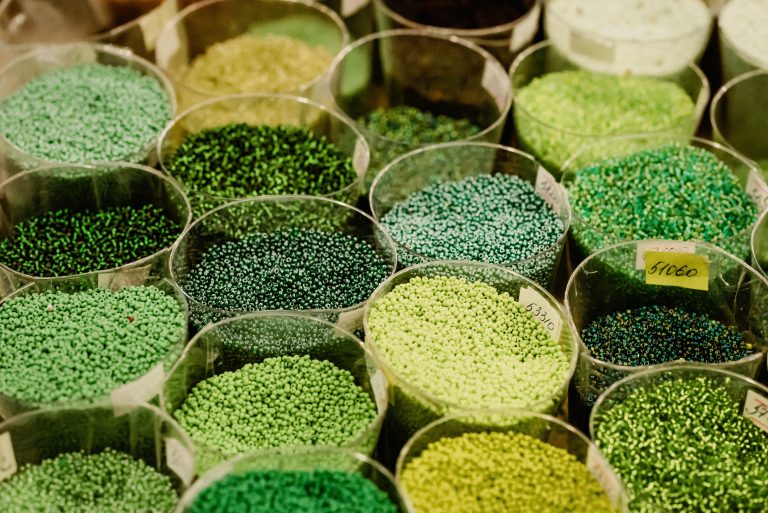
Whether you have an existing product and are making the shift to bioplastics or have a new concept, our expert team will guide you seamlessly through the process, managing every phase from planning to implementation.
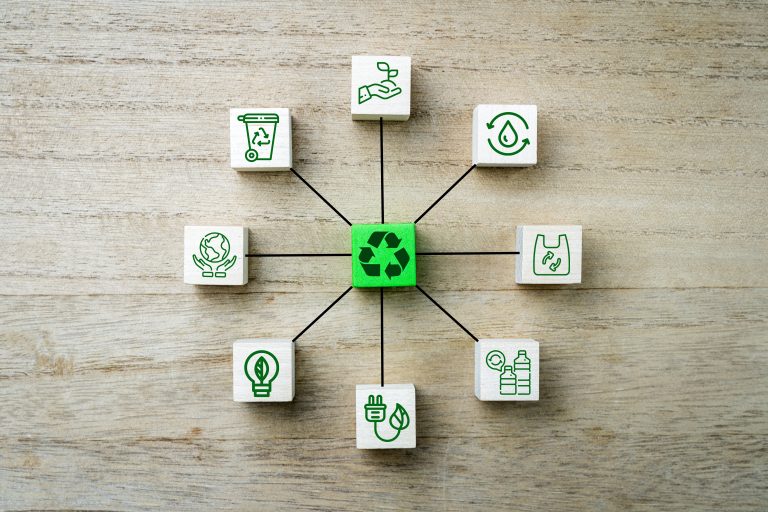
We analyse your plastic usage, purpose and end-of-life requirements to create tailored strategies that integrate bio-plastics into your product lineup, helping your business achieve its environmental targets and maximise ROI.
As proud experts, our founders bring you over two decades of plastics manufacturing expertise, global partnerships and research and development; positioning GoodPlastics at the forefront of industry change. We support clients from the initial stages of product concept and design to full production and delivery.
Our team collaborates with top bioplastic experts from universities and private organizations worldwide and engages with advocacy groups and nonprofits that align with our mission.
A notable milestone was the partnership with the University of Queensland (UQ), where Kulbir Dhanda (Founder and Director) and UQ professors successfully developed and trialed a 100% biodegradable PHA that decomposes in marine, freshwater, and soil environments, offering properties comparable to traditional plastics.
“The spirit of GoodPlastics is rooted in creating a sustainable, shared future that positively impacts communities and our planet.”
— Kulbir Dhanda, Founder & Director
Whether you're exploring bioplastic alternatives or ready to start your transition, our team is here to guide you every step of the way.